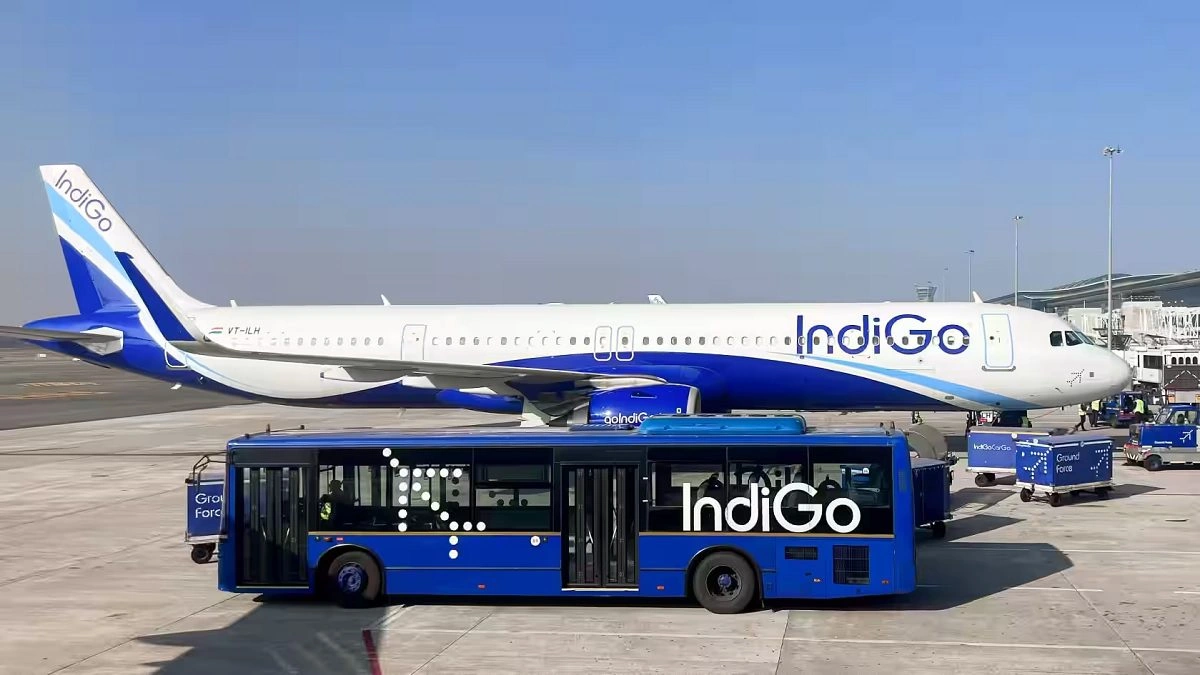
So, IndiGo is making headlines again, and this time it’s not about baggage fees or a viral video. They’re dropping a cool Rs 7,294 crore on acquiring new aircraft. What fascinates me is: What’s the real story here? What’s IndiGo actually playing at? Is this just about adding more planes, or is there a bigger, bolder strategy at play? Let’s dive in, shall we?
The ‘Why’ | Decoding IndiGo’s Aircraft Acquisition Spree

Here’s the thing. It’s easy to look at the headline and think, “Okay, they’re buying more planes.” But why now? And why this much? The answer, as always, is multi-layered. First, let’s consider the post-pandemic travel boom. Air travel has rebounded significantly, and IndiGo , being the dominant player in the Indian aviation market, needs to cater to this increased demand. Makes sense, right?
But there’s more. This investment isn’t just about keeping up; it’s about strategic expansion. IndiGo has been aggressively pursuing international routes, especially to destinations in Asia and the Middle East. These new aircraft – most likely Airbus A320neos or A321neos – offer better fuel efficiency and a longer range, making them perfect for these longer-haul flights. What seemed like a simple purchase is actually a well-calculated move on a global chessboard. Check out this story on investment. And considering the growth potential in the aviation sector, this feels right.
Beyond the Numbers | The Ripple Effect on the Indian Aviation Industry
Okay, 7,294 crore is a huge number – no arguments there. But what does this actually mean for the rest of us? For starters, it signals confidence in the Indian economy and the future of air travel. Airlines don’t make investments of this magnitude unless they’re pretty darn sure that things are looking up.
And it’s not just good news for IndiGo . This move is likely to put pressure on other airlines to up their game. More competition could translate into lower fares, better services, and more route options for passengers. Basically, we all win. But, it also throws a challenge to smaller airlines. Can they scale up? Can they get to a place where they can offer competitive rates?
But there is also a chance for companies to start working with IndiGo. The acquisition can give opportunities for aircraft leasing companies, aviation fuel suppliers, and the airport infrastructure developers.
The ‘How’ | A Glimpse into IndiGo’s Fleet Management Strategy
Let’s be honest, running an airline is a logistical nightmare. It’s not just about buying planes; it’s about maintaining them, staffing them, and scheduling them efficiently. The acquisition is also a reflection of IndiGo’s sophisticated fleet management strategy.
They’re likely retiring older, less efficient aircraft to make way for the new ones. This helps reduce fuel costs, lower emissions, and improve overall operational efficiency. Plus, a younger fleet is generally more reliable, which means fewer delays and happier passengers (hopefully!).
And IndiGo likely has great long-term vision. They aren’t just buying planes for today; they’re planning for the next decade. Considering the rising middle class and the increasing demand for air travel in India, this investment seems like a smart bet. Check out this article ondata center investments.
Potential Headwinds | Risks and Challenges Ahead
Now, let’s not get carried away with optimism. There are always risks involved. Fluctuating fuel prices, economic downturns, and unforeseen events (like, you know, a global pandemic) could throw a wrench in IndiGo’s plans. Additionally, pilot shortages can also affect IndiGo’s ability to maintain its schedule.
Also, integrating a large number of new aircraft into an existing fleet is no easy feat. It requires careful planning, meticulous execution, and a whole lot of coordination. If IndiGo doesn’t manage this process effectively, it could lead to operational challenges and potential disruptions.
For example, while IndiGo may not be paying for the actual plane, any sudden increase in the lease rates may affect the profitability of the company.
Looking Ahead | The Future of IndiGo and Indian Aviation
Despite the potential challenges, IndiGo’s investment in aircraft acquisition is a bold move that signals its long-term commitment to the Indian aviation market. It’s a sign of confidence in the future of air travel and a testament to IndiGo’s ambition to become a global player.
As the Indian economy continues to grow and more people take to the skies, IndiGo is well-positioned to capitalize on this opportunity. But they’ll need to navigate the challenges ahead and continue to innovate to stay ahead of the competition.
And what do you need to do? Keep your eyes on the skies (and your wallets ready for potential fare wars!). This will bring long-term benefits to the aviation sector.
FAQ Section
Why is IndiGo investing so much in new aircraft?
IndiGo is investing in new aircraft to meet the growing demand for air travel, expand its international routes, and improve fuel efficiency.
What type of aircraft is IndiGo likely to acquire?
IndiGo is likely to acquire Airbus A320neos or A321neos, known for their fuel efficiency and longer range.
How will this acquisition affect passengers?
More competition could translate into lower fares, better services, and more route options for passengers.
What are the potential risks associated with this investment?
Potential risks include fluctuating fuel prices, economic downturns, and challenges in integrating a large number of new aircraft into the existing fleet. Also, maintenance costs may increase as the planes age.
How will pilot shortage affect IndiGo?
Pilot shortages can affect IndiGo’s ability to maintain its schedule and expand its operations, potentially leading to flight delays and cancellations.
What impact does rising fuel costs have?
If aviation fuel rises, then ticket prices may rise, affecting the potential for the business.